“Fictive Fragments of a Father and Son” by David Mura
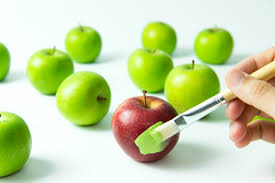
“Fictive Fragments of a Father and Son” by David Mura personifies perfectly how many immigrants assimilate to America as well as other topics such as trauma and self-discovery. It is told from the perspective of the son of a second generation Japanese American man. The son is trying to fill in the gaps of his father’s history who we clearly see that the son doesn’t truly know his father all too well. His father did not share to him much of his life before he was a father and what he did share was sugar coated and not taken seriously. All the son really knows is that his father is a second generation Japanese American and that he spent time in interment camps during World War II. When he asks his father about how it was like in the camps he tells him, “Well, before the war, when I got home from school, I had to work at my father’s nursery… In the camps, after school, I just go out and play baseball.” However, if you know anything about the concentration camps that America made people of Japanese descent go to during this time, then you know it was not this simple or sweet at all. Through out the story the son makes assumptions by what he sees and fills in the gaps with his own “fictive fragments” which gives the meaning of the title.
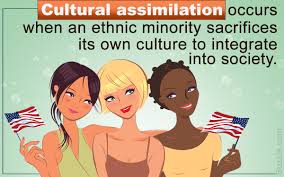
The son assumes his father has never been with a white woman but then he tells about how he found his father’s playboy magazine and there was a young white woman on it. He didn’t yet in a way did understand stating, “…but she is white, her beauty self-evident. I sense somehow that she must be more beautiful than Asian women, more prestigious.” He doesn’t understand why his father has these magazines but also understands the privilege of white people and how above they are to him along with the fantasy of white women. Later in the story the narrator talks about how his father went to either a christian or a catholic church which is the religion followed by most Americans. Whereas most Japanese follow Shintoism or Buddhism. The speaker goes into the rages his father gets and the abuse he has endured growing up whenever he did something wrong or a mistake like falling off a bike. He tells how he then never understood why his father always got so upset and took it out on him. We then discover how his father has became a very successful executive who is content and has no issues with the past or race. The author then ends the story connecting it to the beginning quote on how his father changed his name from “Katsuji Uyemura. Then Tom Katsuji Uyeumura. Then Tom Katsuji Mura. Then Tom K. Mura.”
By the glimpses of the father that the narrator tells us we can see how his father has completely assimilated to American culture. When asked about his past he brushes it off which we can assume is both from trauma as well as assimilation. By what we know of history the father’s past couldn’t have been all so great but it seems he has erased the idea of it which is what many people who experience trauma do. He has completely forgotten what he endured as well as where he came from. All he knows now is being “American” the same country that tortured him and his people. To the point where he fantasizes with these women, follows the religion, and even changed his own name. He distracts himself with his success and objects feeling making him feel “American” not conscious of his experiences to get where he is. However, the rage and abuse that he put upon his son exemplifies the built up trauma he is covering. Whereas his son is questioning everything, and has double consciousness of who he is and what his people have experienced and how he is viewed in society like he stated in the story, “Perhaps he has seen the way some of his classmates look at him, cussing glances sideways in history or English, as he passes in the halls. Perhaps they’re whisper loud enough for him to hear. Perhaps not.(Is he imagining this? or am I?)” From what we can infer the father may not have this consciousness to his surroundings or he does not acknowledge it but the son does. We in a way can see his self-discovery as he tries to discover his own father. Overall, this story was quiet interesting seeing two different perspectives as well as how different generation immigrants think as well as deal with who they are.
 Erica Ulloa's Blog